

Partner Perspectives: Moises Festo
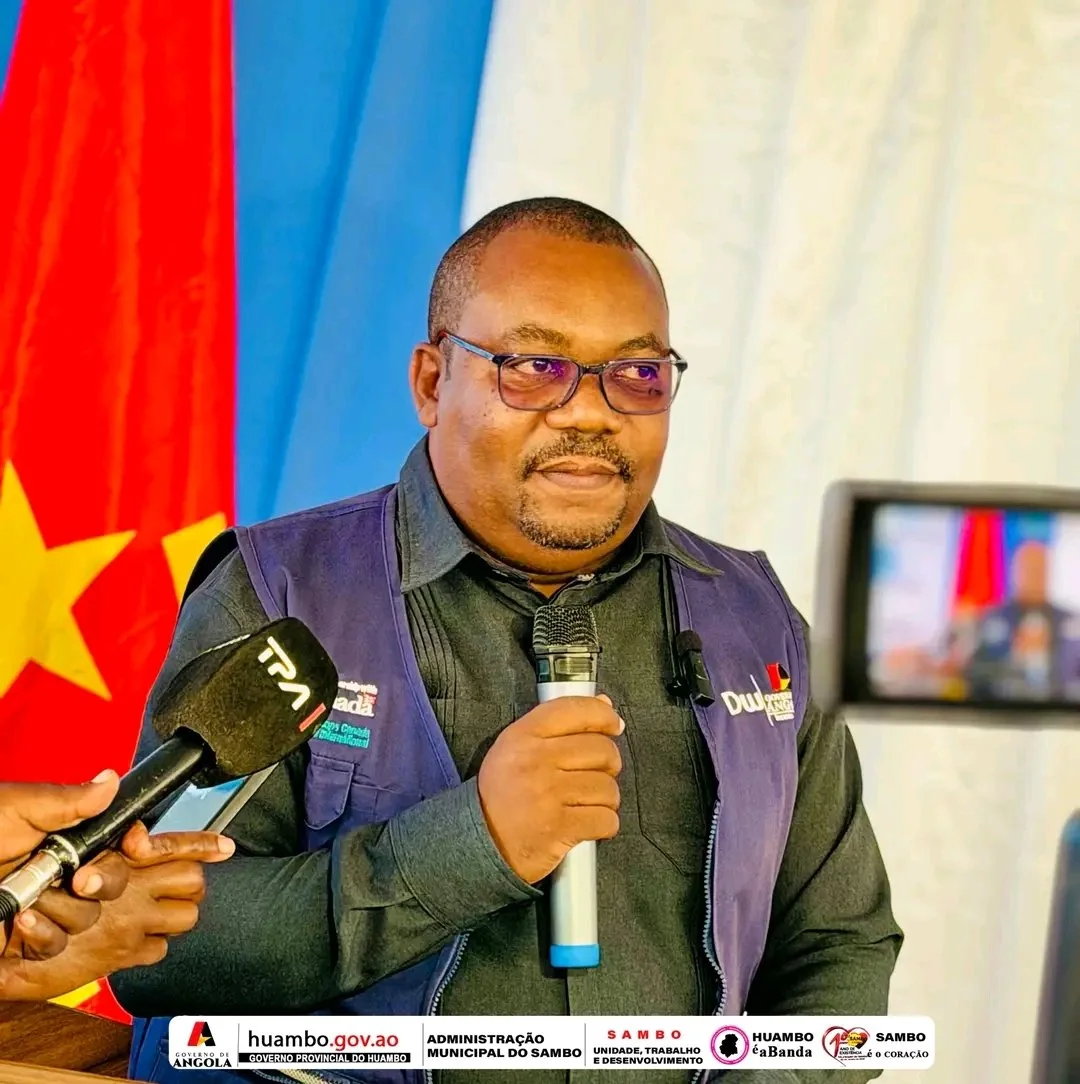
We spoke with Moises Festo, Project Manager at Development Workshop Angola, Rooftops Canada’s partner on the Women’s Spaces project. Festo shared his insights on the land and housing challenges faced by women in Angola and the impact of the Women’s Spaces project.
Q: What are some of the challenges facing women and communities in Angola that the Women Spaces project is addressing? Why is a project like this needed?
Festo: The Women Spaces project addresses both political and cultural challenges that affect women’s equal access to land, housing, and livelihoods in Angola. While there are laws and policies intended to promote gender equality, there are still major gaps in how these laws are implemented in practice. Women often face barriers when trying to access housing, land, and other essential services.
Cultural traditions also continue to favor men in many communities, limiting women’s rights and opportunities. This has a direct impact on families, especially households led by women. The project works to raise awareness within communities about the importance of equal access to land, housing, and livelihoods for both women and men.
Q: In what ways is the Women Spaces project important to you personally, and how do you relate to its mission and impact?
Festo: As a man working in communities and with government institutions, I feel a responsibility to defend human rights and support gender equality. The Women Spaces project has created opportunities to challenge harmful cultural practices and encourage positive behavioural change among communities, government officials, and traditional leaders.
The project has also helped local authorities and community leaders better understand women’s rights and the importance of protecting women from issues such as eviction and property grabbing after the death of a husband. Seeing these changes in communities has been very meaningful and encouraging.
Q: Are there any moments, stories, or changes you’ve witnessed that have you think demonstrate the impact of the project or that have stuck with you?
Festo: One important example is a staff member from the local administration in Huambo who participated actively in Women Spaces project trainings. Through the project, she gained significant knowledge about land laws and women’s rights. Eventually, she was appointed as the Municipal Director of Agriculture, which she credits in part to the skills and confidence she developed through the project.
We have also seen community organizations and local leaders become stronger advocates for women’s equal access to land and housing. Many are now confidently speaking on radio programs and in public forums about the project’s impact and the importance of gender equality.
Q: The project collaborates with a wide range of partners, including government and community-based groups. Why are these partnerships so important, and how have they shaped the project’s impact?
Festo: These partnerships are essential to the success and sustainability of the project. Without collaboration from government officials, civil society organizations, and traditional leaders, it would be impossible to effectively carry out activities in the communities where we work.
By sharing plans, discussing challenges, and organizing forums together, partners are able to support each other and strengthen the project’s reach and long-term impact. Training government officials, community leaders, and civil society members also helps ensure that the knowledge and advocacy continue beyond the life of the project itself.
Q: As part of Rooftops Canada’s global knowledge-building model, there have been several professional exchanges between DW and Rooftops Canada. What value do these international exchanges bring?
Festo: International exchanges with the other partner organizations in countries such as Uganda, South Africa, and Kenya, as well as Rooftops Canada, have been extremely valuable. They have helped strengthen our understanding of advocacy work at the international level and provided new ideas and approaches that can be applied locally in Angola.
These partnerships also increase the project’s credibility when engaging with national government institutions. Being part of a broader regional initiative demonstrates that these issues affect communities across the world and require collective action.
In addition, the exchanges have strengthened communication skills and introduced new tools and opportunities for sharing our work on a national level.
Q: Looking ahead, what long-term impacts do you think the Women’s Spaces project will have on the communities involved?
Festo: One of the biggest long-term impacts is increased awareness among women about their rights, particularly related to land, housing, and livelihoods. Today, more women are speaking openly and confidently in community meetings without fear.
The project has also encouraged communities to share knowledge with neighbouring areas, helping to spread awareness beyond the communities directly involved in the project. Through trainings, meetings, and local advocacy efforts, we hope communities will continue defending women’s rights long into the future.
The knowledge and confidence built through the project will remain an important legacy for the communities we work with.