Partner Perspectives: Brian Odella
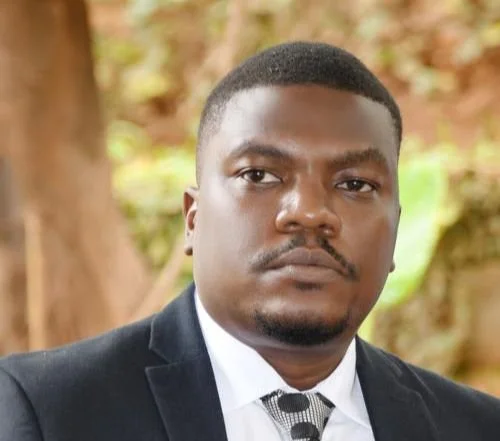
We spoke with Brian Odella, an urban planner specialized in physical planning. Brian works with Rooftops Canada’s partner Shelter and Settlements Alternatives (SSA) on the Women’s Spaces project. Brian shared his insights on the land and housing challenges faced by women in Uganda, the impact of the project, and his role as a physical planner within the Women Spaces project.
Q: What are some of the key challenges facing women and communities in Uganda that the Women Spaces project is designed to address? Why is a project like this needed?
Brian: Across Uganda and much of Sub-Saharan Africa, deeply rooted cultural practices continue to limit women’s rights—especially when it comes to land and property ownership. In many communities, inheritance follows the male line, and women are often excluded from owning or inheriting land. This leaves them vulnerable to eviction, particularly after the loss of a spouse.
Even though there are laws intended to protect women, these cultural norms persist. Many women avoid formal systems like courts due to cost, complexity, or lack of awareness.
The Women’s Spaces Project helps bridge this gap through several approaches. One is training community-based paralegals who educate people about land and housing rights and provide accessible dispute resolution. They also support families with will writing—something that was previously avoided due to misconceptions that if you write a will, you will then die. So, people were not writing wills, and upon death, they would leave a lot of chaos within the family.
Another key intervention is the issuance of Certificates of Customary Ownership (CCOs), which provide women with formal documentation of land rights. This not only improves tenure security but also enables women to access loans, invest in livelihoods, and negotiate fair compensation if land is acquired for development.
At the same time, the project contributes to advocacy efforts by documenting community challenges and presenting them at the national level to inform legal reforms.
Q: In what ways is the Women Spaces project important to you personally, and how do you relate to its mission and impact?
Brian: As a physical planner, land use and urban development are central to my work. The project aligns closely with my professional role, particularly in planning areas where CCOs are issued.
One major impact is that more people can now prove land ownership, which is required to get building plans approved. Previously, many relied on informal agreements that were not legally recognized. Now, with proper documentation, more people are seeking approvals and constructing better-quality buildings.
This contributes to more organized and sustainable urban development. Beyond that, the project has also given me a platform to engage in national-level advocacy, which is something I am very passionate about.
Q: Are there any moments, stories, or changes you’ve witnessed that have you think demonstrate the impact of the project or that have stuck with you?
Brian: One powerful example comes from the paralegals themselves. After learning about the legal implications of marriage and property rights, many began formalizing their own relationships. In Uganda, legal marriage is essential for protecting inheritance rights, so this shift reflects real behavioral change.
Another significant change is the inclusion of people with disabilities. Previously, they were often excluded from community participation and inheritance. Now, they are actively involved—some even advocating for their rights—and families are increasingly recognizing their value, including supporting their education.
We’re also seeing improvements in housing. With access to loans and greater awareness, people are investing in better homes and improving their living conditions.
Q: The project collaborates with a wide range of partners, including government and community-based groups. Why are these partnerships so important and how have they shaped the project’s impact?
Brian: Partnerships are essential—they are the entry points for change. To address harmful cultural practices, we must work with cultural and local leaders who influence those norms.
Collaboration with local governments is also critical. In Uganda, NGOs must work closely with government through formal agreements, and our work aligns with national development priorities. In many ways, we are complementing government efforts where capacity or resources are limited.
The media is another key partner. Through radio programs, we’ve been able to reach far beyond our immediate project areas. In fact, we now receive requests for support from communities outside our original scope, which shows both the demand and the potential for scaling up.
Q: As part of Rooftops Canadas global knowledge building model, there have been several professional exchanges between SSA and Rooftops Canada. What value do these international exchanges bring?
Brian: These exchanges are incredibly valuable because they challenge us to think differently and explore new solutions.
For example, in Uganda, home ownership is often seen as the only acceptable option, and renting is viewed negatively. But in Canada, renting is common and contributes to housing affordability. This has encouraged us to rethink how we approach housing solutions.
We’ve also been introduced to concepts like Community Land Trusts, which we are now exploring as a potential model to adapt locally.
On the legal side, learning about professional paralegals in Canada has inspired discussions around formalizing and certifying paralegal training in Uganda. It has broadened our perspective and strengthened how we operate.
Importantly, the exchange goes both ways—visitors to Uganda also gain valuable insights from our work and context.
Q: Looking ahead, what long-term impacts do you think the Women’s Spaces project will have on the communities involved?
Brian: The long-term impact goes beyond those directly involved in the project. It’s about building lasting awareness within communities.
People are now more informed about land rights, the importance of documentation, and the processes involved in securing ownership. This knowledge alone is transformative.
Ultimately, we expect to see greater tenure security, fewer cases of eviction, and more sustainable urban development. These are changes that will continue to benefit communities well into the future.