

The Power of International Partnership:
Alia Abaya’s Technical Advisor Reflections
By Alia Abaya, CEO of Circle Community LandTrust
In November 2025, I had the incredible opportunity to join a delegation of housing professionals travelling to Kampala and surrounding communities to take part in a knowledge exchange with Shelter and Settlements Alternatives (SSA), a network of organizations, communities, and private-sector collaborators working to sustainably improve human settlements in Uganda.
My role was to participate in an international learning exchange: to deepen my understanding of Uganda’s housing sector its challenges, opportunities, and dynamics and to reflect on what I observed in relation to my experience in Canada.
My first core memory of the trip is arriving at the airport and climbing into a shiny SUV, Kidandali music blasting a loud bouncing soundtrack as the sun, and what felt like the whole place, welcomed me with a warmth and enthusiasm that matched my own.

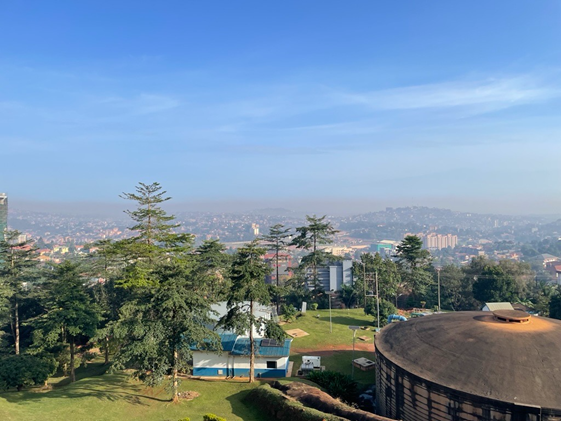
A major learning opportunity came through an additional visit during the trip: connecting with Global Affairs officials. I was told this kind of overlap between field visits, technical advisors, and direct access to federal representatives doesn’t usually happen. Being able to do a site visit and then share a meal together gave me the chance to ask candid questions about Canada’s direction and interests, how the program is funded, and to share why global exposure and international relationship-building matter for Canadian professionals. Especially in a time of profound geopolitical shifts, it wasn’t lost on me that we were in a unique position to relay how international knowledge exchange strengthens Canadians working on challenges at home, because so many of our “national” issues resonate globally. Sharing insights internationally helps solidify Canada’s role as a trusted relationship partner, and being able to advocate for continued collaboration in real time, felt immensely valuable as Canada seeks to strengthen its global presence and international trade relationships and reputation as a leader with co-operative and democratic values.
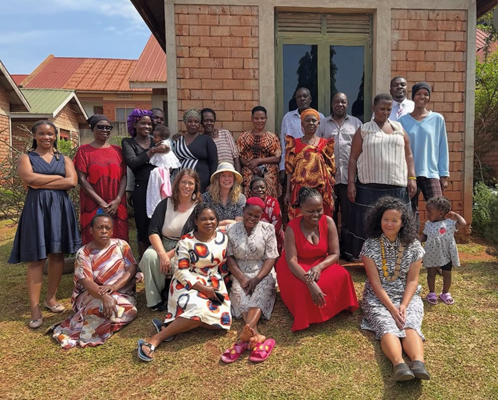
SSA staff and TA’s visiting the Bujuuko Women’s Co-op Housing Project
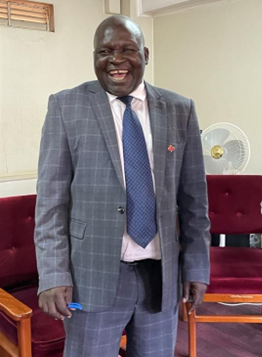
Dave Khayangayanga – Director of Housing at Directorate of Housing Ministry of Lands, Housing & Urban Development
Over the course of the visit, I tried to absorb as much as I could while also being asked to offer solutions, models, or replicable practices and policies. I was able to share examples of how we’ve worked with government and private-sector partners to unlock strategies that address housing starts and affordability. But when it came time for my final presentation, I wasn’t comfortable to lead with “solutions.” Instead, I felt compelled to offer something different: cautions drawn from what we’ve learned along the way in Canada and in hindsight, some of things we could have done differently.
Uganda is a land of immense opportunity. It was easy to arrive and see the scale of growth and development potential; in many ways, the place feels abundant. But that recognition of abundance also forced me to reckon with the extractive tendencies baked into how we often plan and build in Canada and the unintended damage that can come from seeing “opportunity” without safeguards. It brought questions into sharper focus: how to avoid relying solely on the private sector to meet housing demand, and how to ensure policies protect irreplaceable environmental and agricultural assets before development pressure makes those choices harder or even impossible.
And in the end, I realized I was surprised after all, just not in the way people meant. What surprised me most wasn’t the work or the “foreignness,” but how quickly meaningful relationships can form internationally, even within a short window. I felt completely at ease sitting in on SSA meetings, much like meeting with government officials or community stakeholders in Canada. There were, of course, subtle cultural differences (like arriving at a morning meeting not to coffee and pastries, but to lollipops on the table and chatting with a high-level official while they calmly sucked on one, which genuinely delighted me!) But aside from these small and charming differences, the space felt familiar. I found myself moving through it with unexpected comfort and ease and leaving with the sense that once I was back in Canada, continued relationship building with my Ugandan colleagues wouldn’t just be possible, but natural next step.
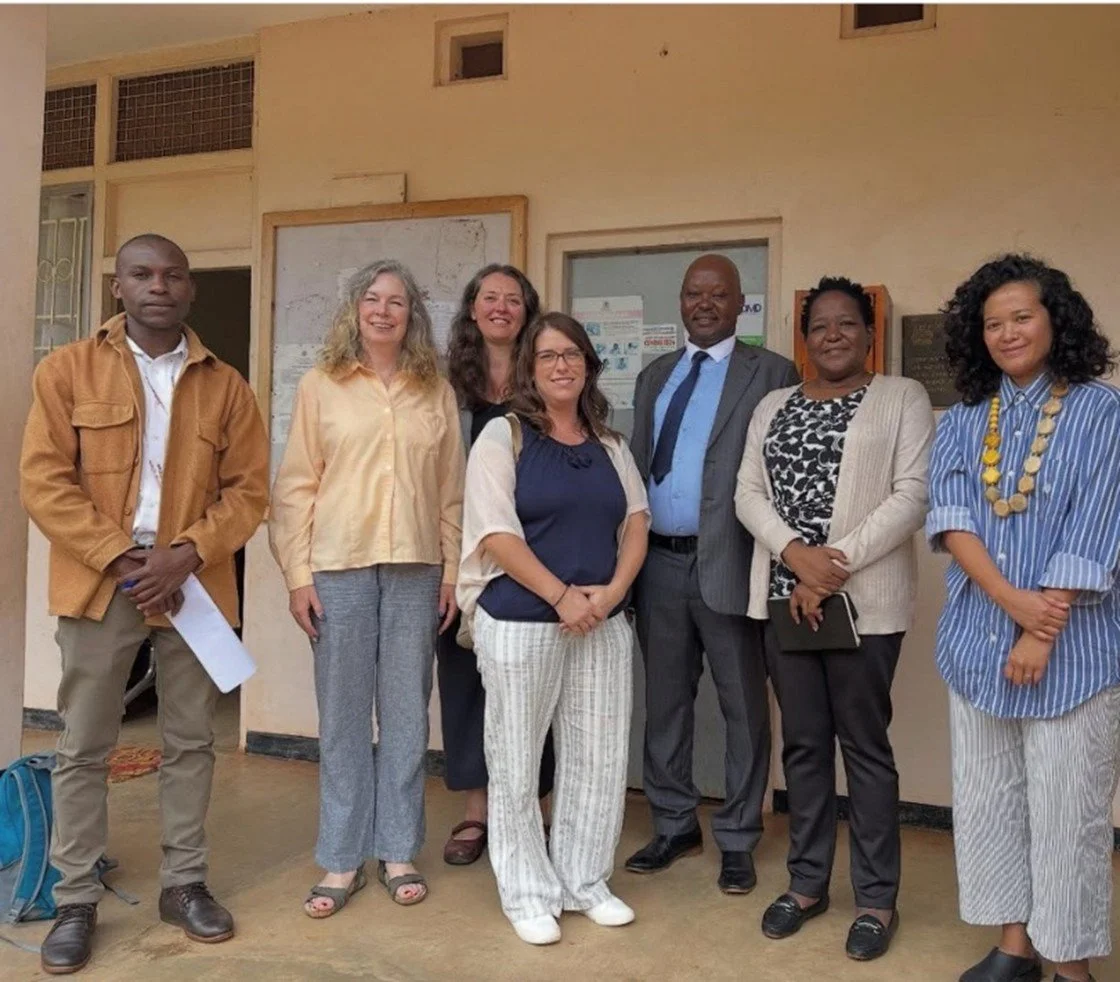
Group photo in Mityana with Global Affairs Canada, and representatives of the Mityana Municipality
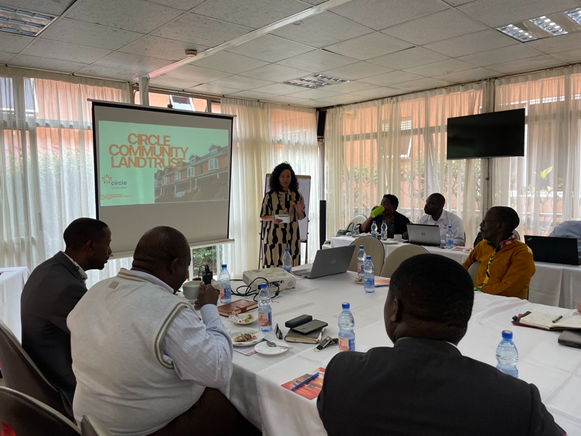
Alia Abaya presenting Circle’s work at the Stakeholder Engagement meeting in Kampala
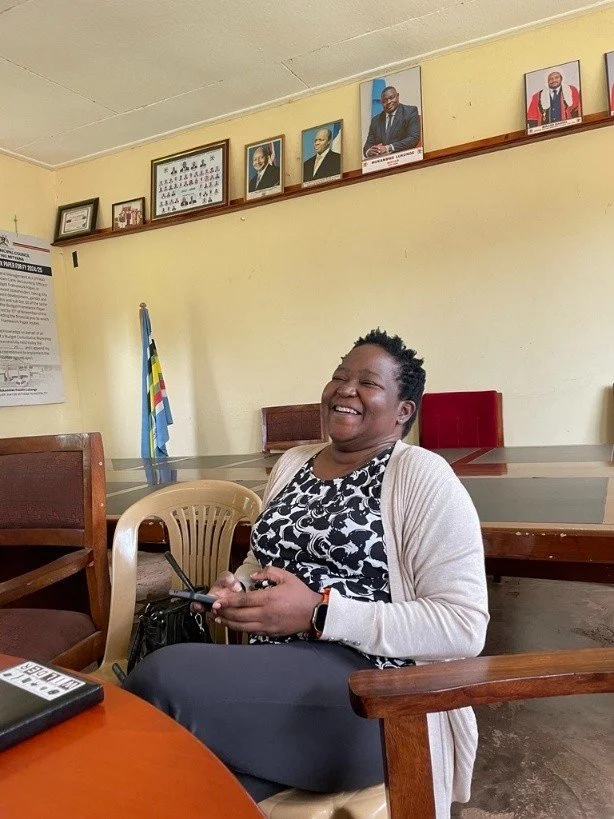
Dorothy Baziwe, Executive Director at SSA
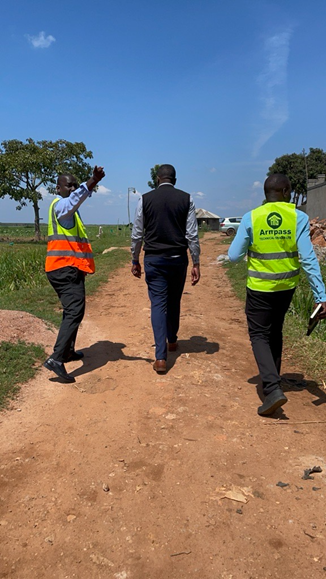
Site visit of informal settlement area in Entebbe
The full impact of the trip didn’t reveal itself until much later (and it continues to deepen as I reflect on my time in Uganda and share pieces of it with others). I expected the experience to be meaningful, but I couldn’t have anticipated its depth or the ways it would surprise me. It gave me the chance to learn about another housing sector and culture in a way that also invited real introspection about my own work and the systems and assumptions I operate within and that is something that I don’t think would have happened organically at home.
This is my top experience of the year (and we had some really incredible milestones at Circle this year)! I can’t emphasize enough how grateful I am for this experience. It offered a rare and powerful global perspective, one that helped me see my own work in a different light and it has genuinely transformative. I hope that more people have the opportunity to engage in this kind of exchange and carry that widened lens back into their work and lives.
I arrived knowing the days ahead were expertly scheduled, a careful balance of high-profile meetings, informal social gatherings, and the practical reality of navigating an eight-hour time difference.
As we met people across the housing ecosystem, from Ministers and government officials, to professors, to co-operative housing advocates and members I kept hearing the same question, “So… are you surprised?” And, oddly, I found myself answering, “Actually, no.” In an era of rapid information sharing and constant interconnectivity, travelling somewhere “far” for the first time can come with less culture shock than it once did. Kampala was every bit as gorgeous, vibrant, and green as I had expected based on my informal “research” (Instagram deep dives, plus conversations with a Ugandan staff member at Circle).
One of the strongest parallels to my work in Canada was seeing how much progress is driven by deeply engaged community-development advocates. Again and again, it was clear that the forward progress in housing, especially for groups otherwise excluded, often depends on the social capital of specific individuals committed to improving the system. People who have earned trust, built relationships over years, and can open doors that institutions alone cannot. Our SSA colleagues, Dorothy (Executive Director, SSA) and Brian (Project Manager, SSA), guided us with calm expertise and ease that made it clear how much of this work is made possible through long-standing connections and credibility. In that sense, the dynamics felt strikingly familiar to home.