

Rooftops Canada’s Visit to Newfoundland and Labrador
Rooftops Canada and our partner, Shelter and Settlements Alternatives Uganda (SSA), recently participated in the 2026 CHRA National Congress on Housing and Homelessness in St. John’s, Newfoundland and Labrador (April 20-22, 2026). Bringing together housing practitioners, advocates, and community leaders from across Canada and beyond, the Congress created space for meaningful conversations about housing challenges, innovative solutions, and the importance of collaboration across borders.
As part of the Congress, Rooftops Canada and SSA hosted the session, Our Common Home: How International Ideas Strengthen Local Solutions. The workshop explored how local housing strategies can inform and support international approaches while highlighting the value of knowledge exchange between Canadian and global housing practitioners. Participants raised thoughtful insights on how ideas and practices from different contexts can be adapted and applied to strengthen communities everywhere.
Of particular interest, was SSA’s innovative community paralegal program in Uganda. This program supports women and their families in understanding housing rights, resolving conflicts, and advocating for themselves. While the Canadian and Ugandan contexts may differ, the conversation focused on how this program could inspire new approaches to advancing housing and tenant rights in Canada. Discussions included ideas around training co-op members and tenants in basic legal literacy and conflict resolution to help strengthen resident leadership and community advocacy.
Dorothy Baziwe, Executive Director of SSA, reflected on the Congress, saying, “ I was greatly inspired by the spirit of inclusion and the focus on ensuring Indigenous housing perspectives are included in innovations, as well as the focus on designing and implementing adequate housing as a foundation for sustainable cities and communities!”
Our week in St. John’s included a series of peer-to-peer knowledge exchanges. We began the week with the Co-operative Housing Association of Newfoundland & Labrador (CHANAL). Thank you to Ross Langer (CHANAL) and the CHF Canada Atlantic team (Jaclyn Johnston and Allison Ferris) for bringing us together and to the wonderful co-op members who joined us and shared your personal stories - a powerful reminder of the transformational impact of co-op housing.
We also met with the Newfoundland & Labrador Federation of Co-operatives (NLFC) to explore the diversity of co-ops in Newfoundland and Labrador and the Federation’s incubator program, offering insight into how co-ops are formed, launched, and sustained.
And finally, we spent the day with Petty Harbour Co-op, where members Billy Lee and Sam Lee shared their experiences with community-based co-op development, highlighting the ability of co-ops to create strong and connected communities.
Reflecting on the experience, Jaclyn Johnston (Program Manager, CHF Canada) shared, “The CHRA National Congress and our Newfoundland and Labrador visits reinforced how much stronger we are when we learn alongside co-op members and sector partners locally and globally.” Efemena Ozugha (Program Manager, Rooftops Canada) also shared her thoughts on the visit, “One key takeaway is that there is no single solution to the Canadian and global housing crisis. There are many ways to approach affordable housing, and the more we look beyond our own context, the more we can learn.”
Reflecting on the experience, Dorothy Baziwe shared, “What resonated most from the co-operative experiences is that housing is a universal basic need no matter the different contexts whether in Uganda or Canada and how cooperatives are vital in providing pathways to secure sustainable lives!”
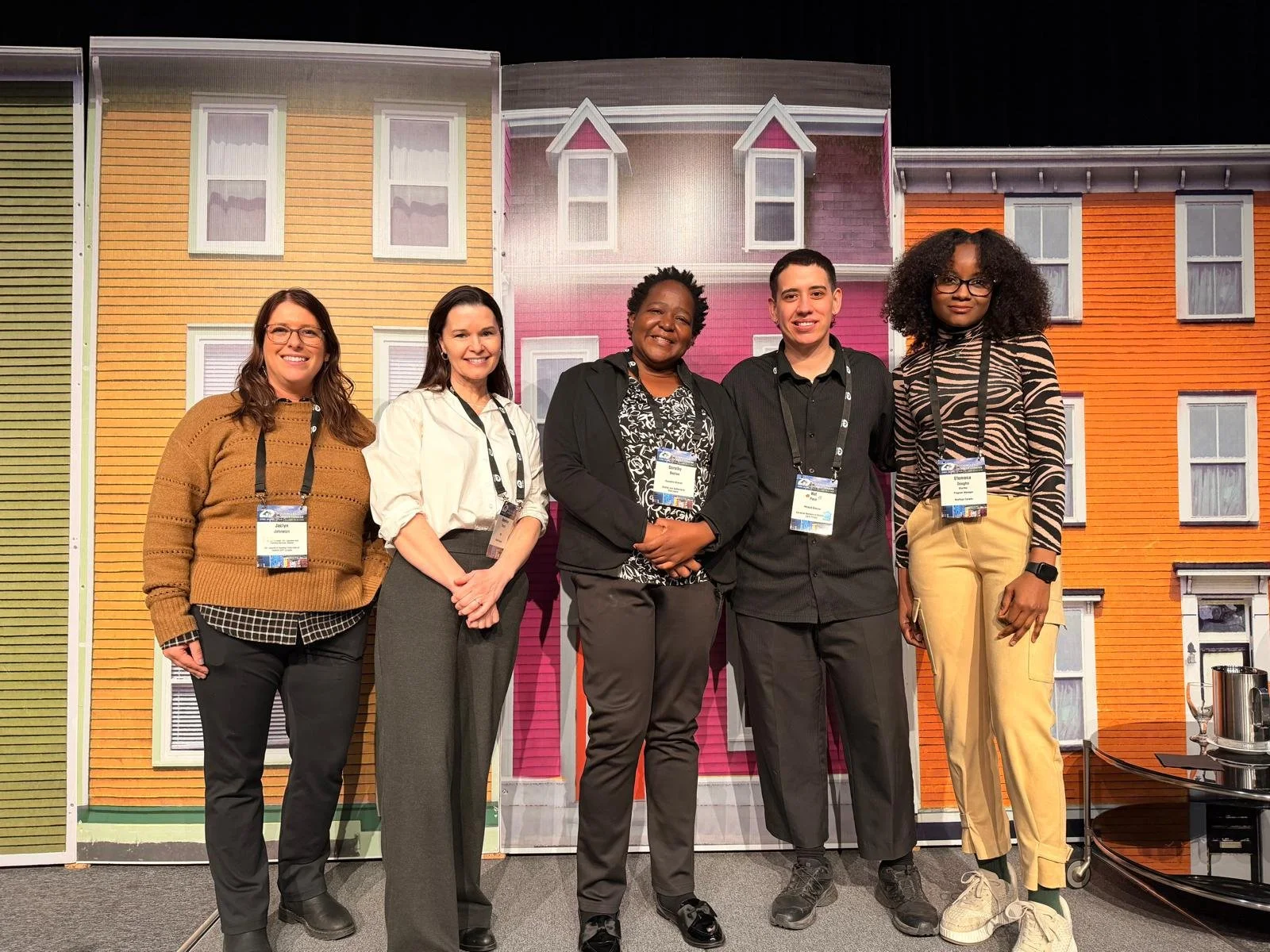
Jaclyn Johnston (Program Manager, CHF Canada), Genevieve Drouin CEO, Rooftops Canada), Dorothy Baziwe (Executive Director, SSA Uganda), Nat Pace (Coordinator, Canadian Network of CLT's, Efemena Ozugha (Program Manager, Rooftops Canada)
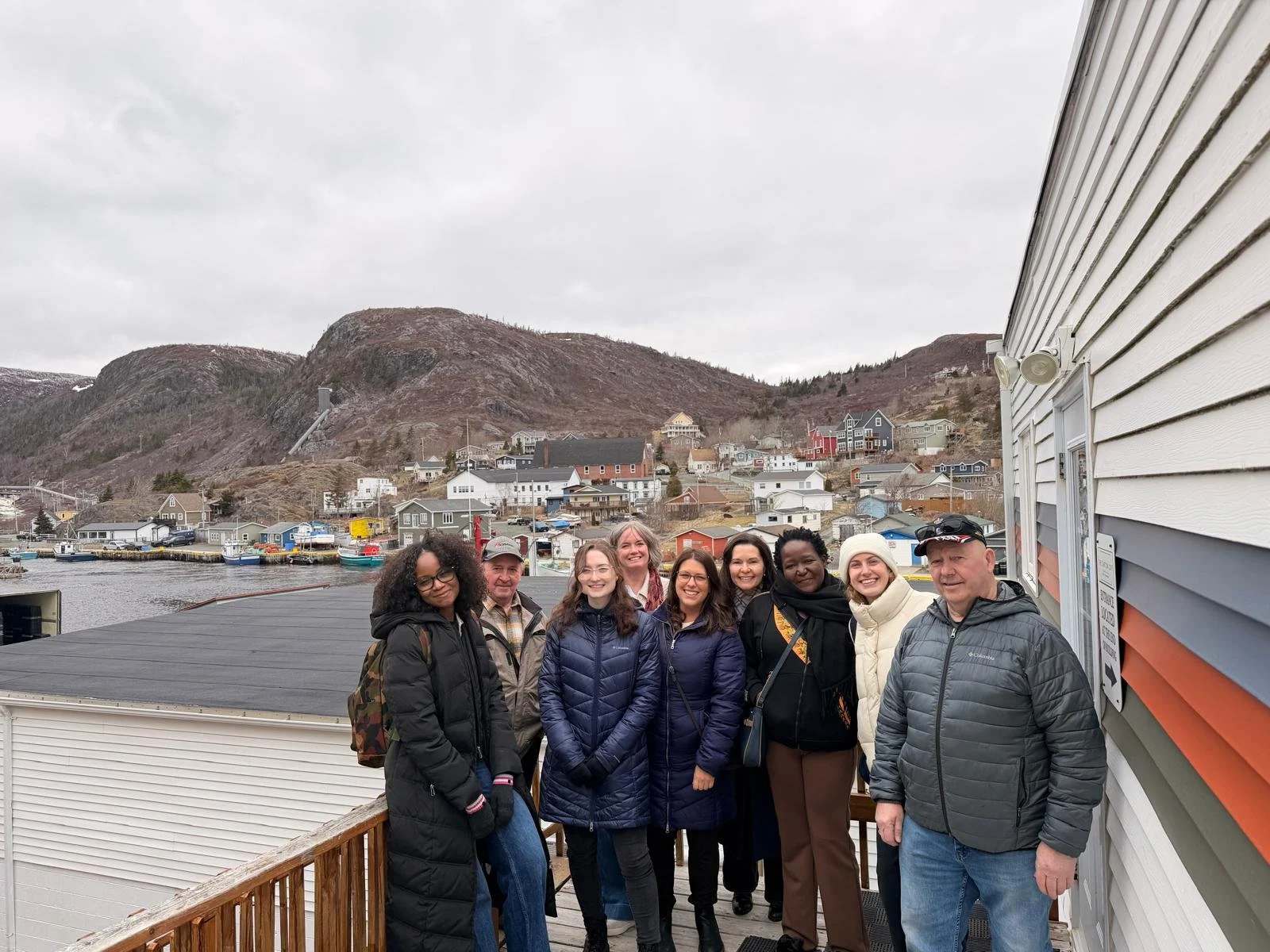
Tour of Petty Harbour Fishermen Co-op with Sam Lee and Billy Lee
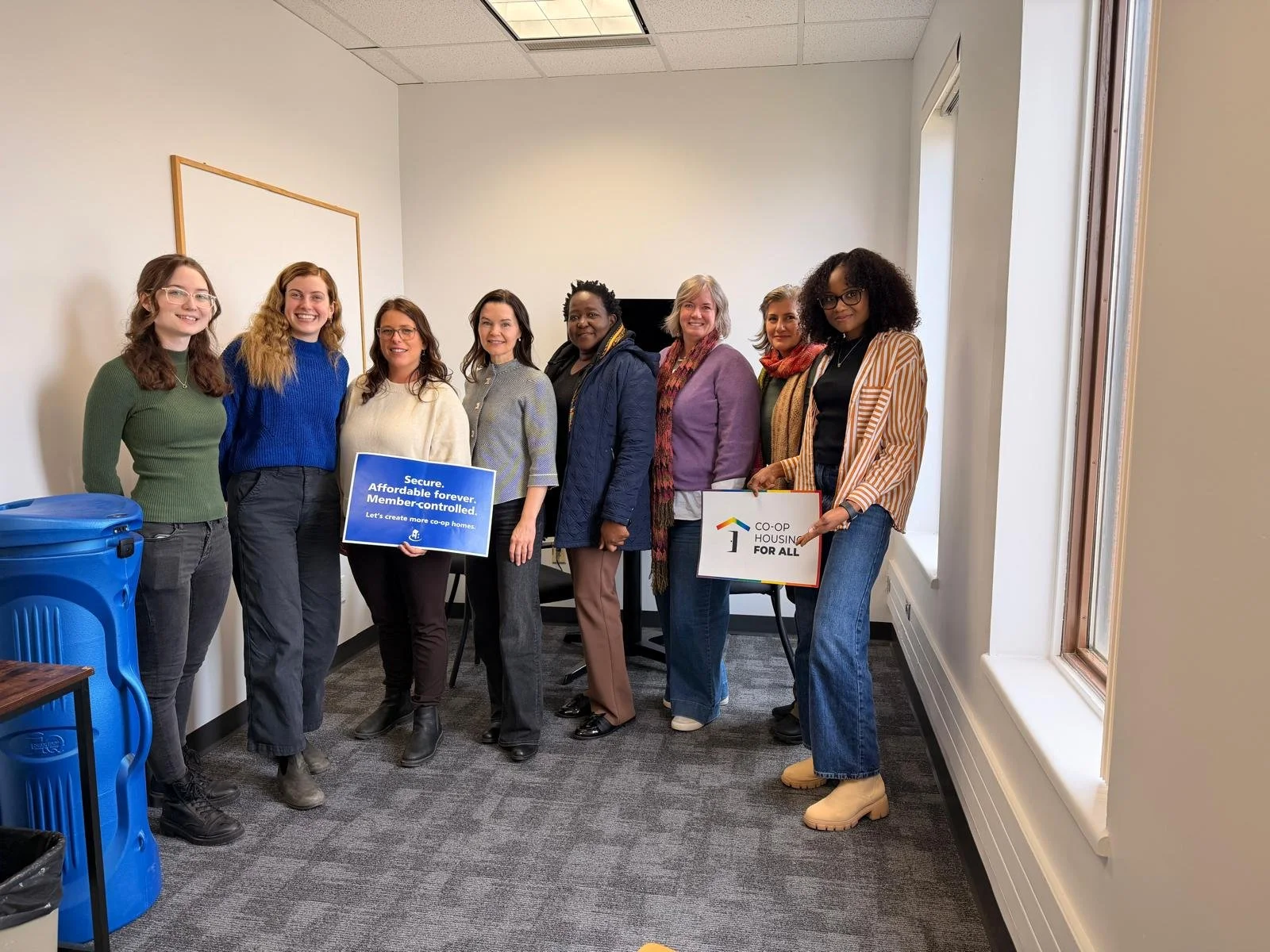
Left to right: Hope Cahill (Office Administrator, Newfoundland-Labrador Federation of Co-operatives), Kristen Murray (Community Development Officer, NLFC), Jaclyn Johnston (Program Manager, CHF Canada), Genevieve Drouin (CEO, Rooftops Canada), Dorothy Baziwe (Executive Director, SSA Uganda), Allison Ferris (Regional Manager, CHF Canada), Michelle Ell (Director, The ReVision Collective), Efemena Ozugha (Program Manager, Rooftops Canada)
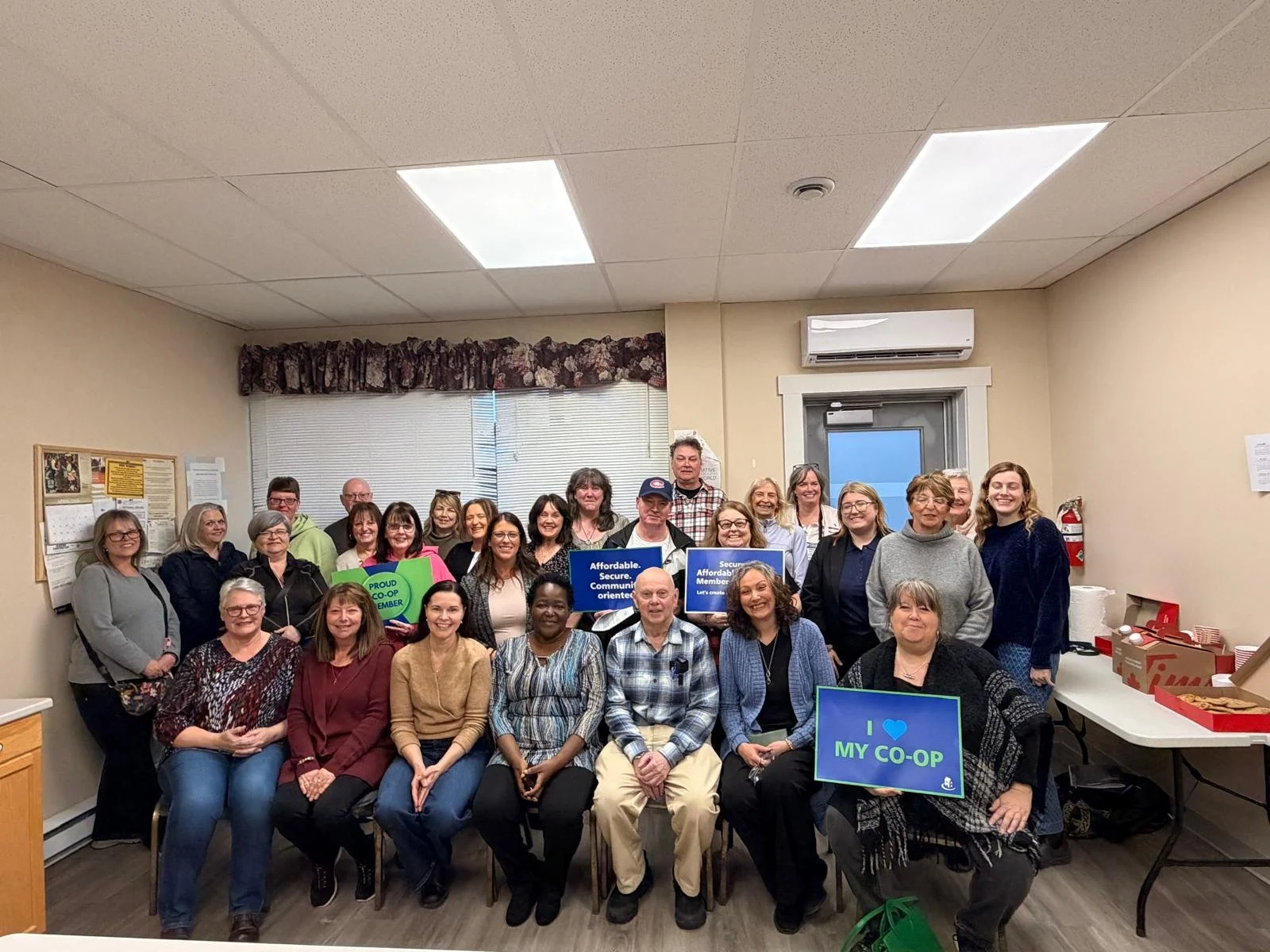
Discussion with Co-operative Housing Association Newfoundland and Labrador (CHANAL) and their members.