Partner Spotlight: Driving Impact Through Communications
Our international partners are using communications—through social media, newspapers, and public platforms—to share knowledge, highlight impact, and push progress on land and housing rights. As we step into a new year, we spotlight how our partners are amplifying their work through communications and helping move the global conversation on land and housing rights forward.
Angola:
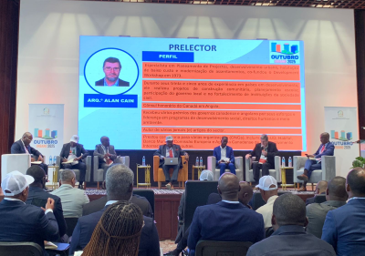
Development Workshop is moving the conversation on land and housing rights forward by participating in two national conferences promoted by the Ministry of Housing during Urban October. These events offered a space to share experiences, lessons, and practical solutions, all aimed at advancing fair and inclusive access to land and housing.
At these conferences, DW delivered two key presentations:
They highlighted their work implementing land management projects, including the Women Spaces project, showing how these initiatives are expanding women’s access to land and challenging harmful social norms.
They explored the importance of housing policy in creating inclusive access to housing, emphasizing how effective policies can drive equitable urban development.
By sharing these experiences and insights, DW is strengthening knowledge-sharing and collaboration on a national level, to ensure that everyone has a safe, secure place to call home.
Kenya:
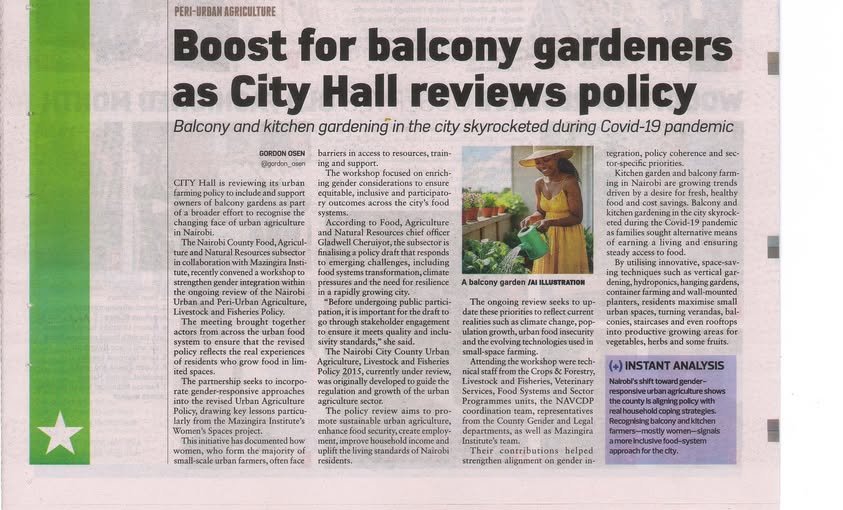
Our partner, Mazingira Institute, is bringing inclusive urban development issues into the public spotlight. On November 26, 2025, Mazingira’s work was featured in The Star, a Nairobi newspaper, in an article titled “Boost for Balcony Gardeners as City Hall Reviews Policy.”
The article highlighted a workshop organized by Mazingira Institute that focused on urban and peri-urban agriculture, including balcony and kitchen gardening in Nairobi. The workshop supported ongoing discussions around Nairobi City County’s review of its urban agriculture policy and stressed the importance of inclusive approaches and gender considerations in city food systems.
With The Star’s wide reach across Nairobi, this coverage helped share these ideas with a larger audience. By bringing learning and local solutions into the public conversation, Mazingira Institute continues to support more inclusive, sustainable cities where communities can thrive.
South Africa:
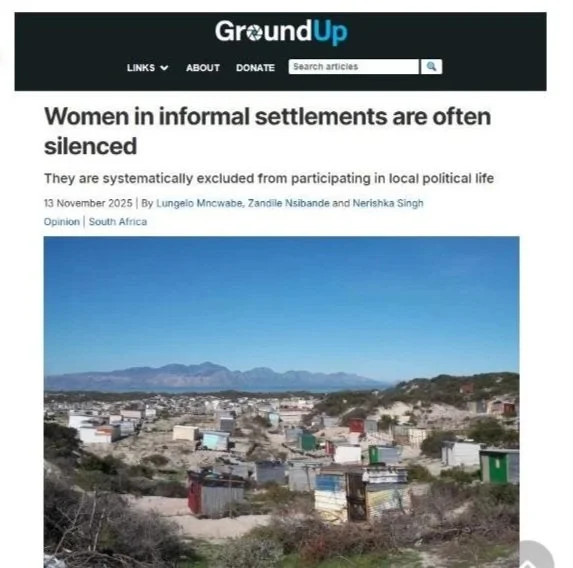
Our partner, the Socio-Economic Rights Institute of South Africa (SERI), recently amplified the voices of women living in informal settlements through a powerful opinion editorial published in GroundUp (a South African online news website). This piece sheds light on how women are often systematically excluded from local political processes—despite being at the forefront of community life and most impacted by land and housing decisions.
The article connects lived experiences with evidence-based advocacy. It highlights both the structural barriers women face—including insecurity, violence, and lack of tenure—and their resilience as active community members and leaders. By bringing these realities into the public conversation, SERI is influencing how policymakers, civil society, and the public understand participation and gender justice in informal settlements.
This kind of strategic communications impact is central to SERI’s work and to Rooftops Canada’s mission: ensuring everyone has a secure place to live in peace and dignity.
Read the article here: https://groundup.org.za/article/women-in-informal-settlements-are-often-silenced/
Uganda:
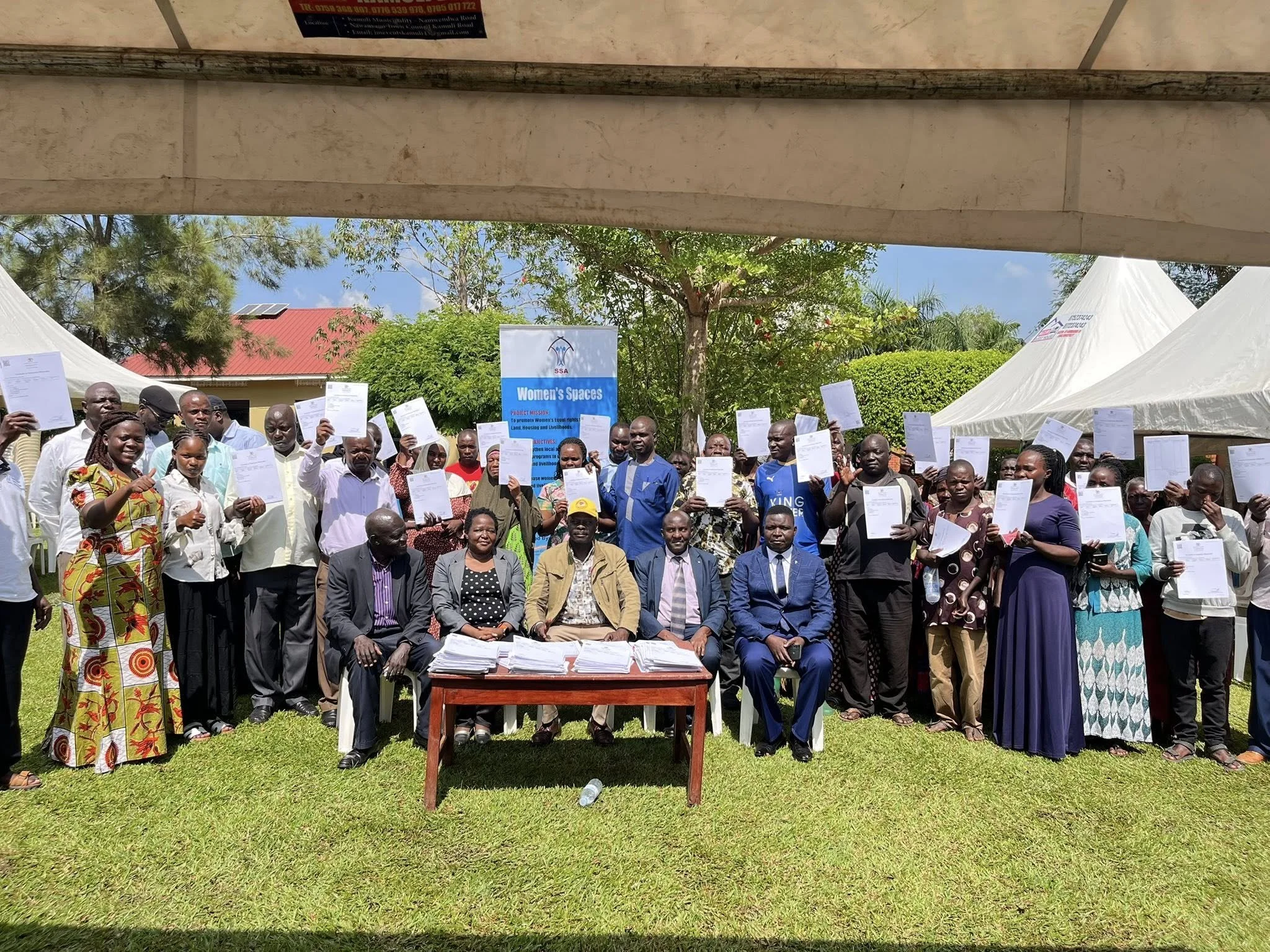
Shelter and Settlements Alternatives continues to drive the global conversation on housing and land rights through an active and consistent social media presence. By regularly sharing stories and updates from the ground, SSA not only highlights how gender inequality and harmful social norms continue to shape who can access, own, and control land, but also the tangible impact of their work in addressing these challenges. These posts break down complex issues, making them easier to understand while keeping housing rights—and the urgent need for change—front and centre.
Their most recent post shared a particularly important milestone: the handover of Certificates of Customary Ownership to 309 families in Kamuli Municipality. Of these titles, 45% are owned by women, 35% by men, and 20% are co-owned—an encouraging step toward more gender-equal land ownership. This milestone was made possible with support from Rooftops Canada and Global Affairs Canada through the Women Spaces project.
Follow SSA on social media to stay engaged, amplify these stories, and be part of the movement to build a world where everyone has a safe, secure place to call home.