

Young Professional Reflection:
What My International Experience Taught Me About the Housing Crisis
Before my experience with Rooftops Canada, I had a general understanding of housing as a global challenge. This came from both my own experience amidst Toronto’s housing crisis and news of international housing issues. It was only in Kenya that I fully understood the magnitude of these problems and the importance of having a home. During field visits with Mazingira Institute, I witnessed firsthand how people living in informal settlements struggle with adequate housing and many basic necessities.
While Canada does not have informal settlements in the traditional sense, an increasing number of people are living in encampments and tents. Kenya’s informal settlements are a result of rising demand and property prices and are the only option for many people. Many Indigenous people in Canada also face housing struggles due to the country’s racially segregated past. Similarly, many South Africans of colour are living in informal settlements or townships due to the country’s history of apartheid.
I was surprised by how similar Canada’s situation is to Kenya and South Africa’s situations. While the culture and context differ, all three countries were struggling with housing affordability and availability. Young people everywhere are facing difficulties in finding employment, and their needs are often neglected by governments.
When I attended the Open-ended Intergovernmental Expert Working Group on Adequate Housing for All (OEWG-H), I learned about Finland’s Housing First strategy, which establishes housing as a foundation for well-being. This is different from the Staircase Model, which states that other issues (i.e. addiction or mental health) must be addressed before housing. I believe Canada needs to learn from Finland’s approach and prioritize shelter and safety above all else.
My international experience taught me that no matter where I am, housing challenges are the result of broader systemic issues. This starts with improving the public education system and making post-secondary education more accessible. The job market and networking opportunities should be more accessible to people, and wages should keep up with rising living costs.
By Shazara Khan - Rooftops Canada Young Professional
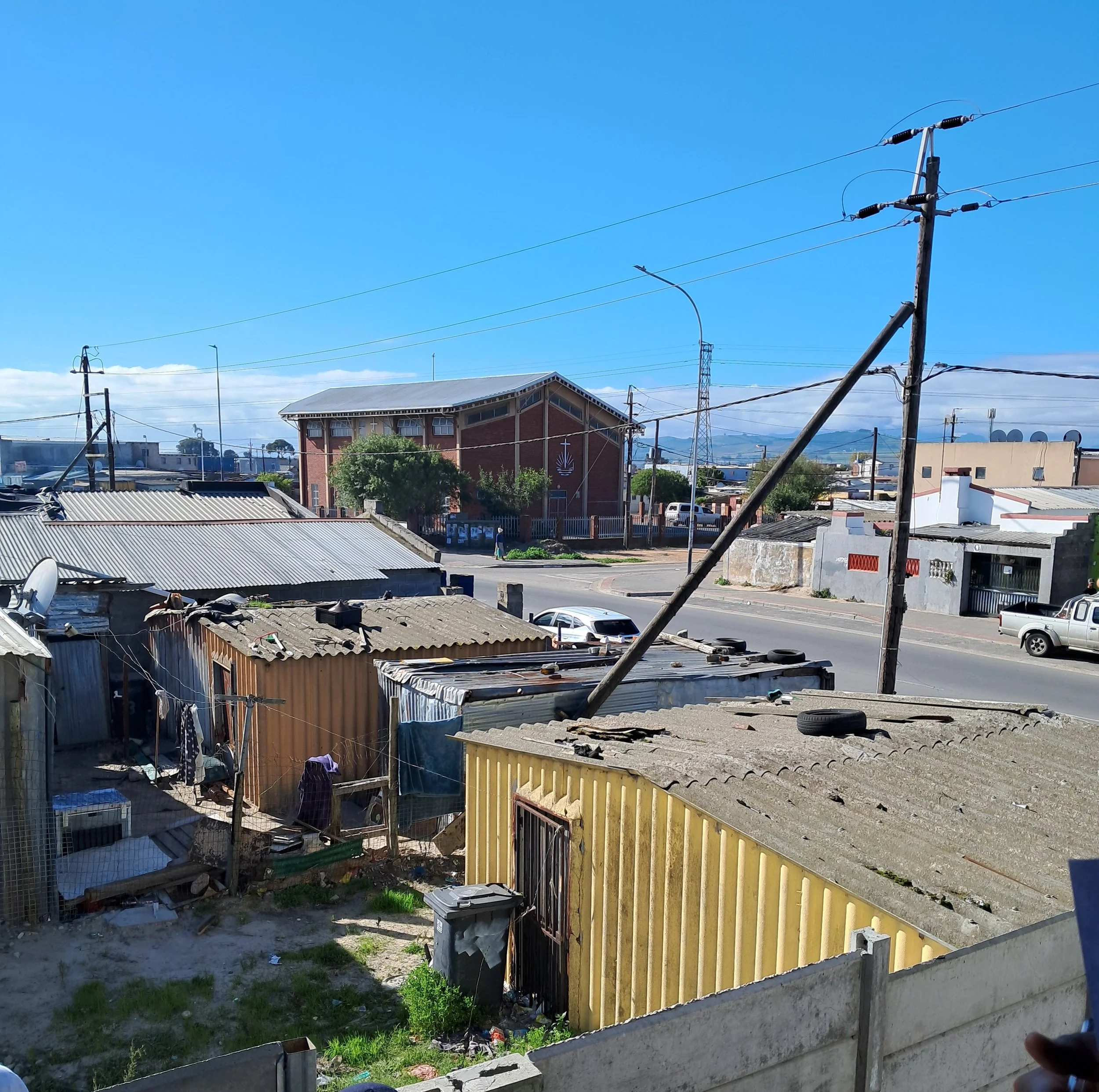
The Khayelitsha Township in Cape Town which was formed as a result of apartheid in South Africa, is among the fastest growing townships in the country. The photo was taken during Shazara’s field visit with Development Action Group (DAG).
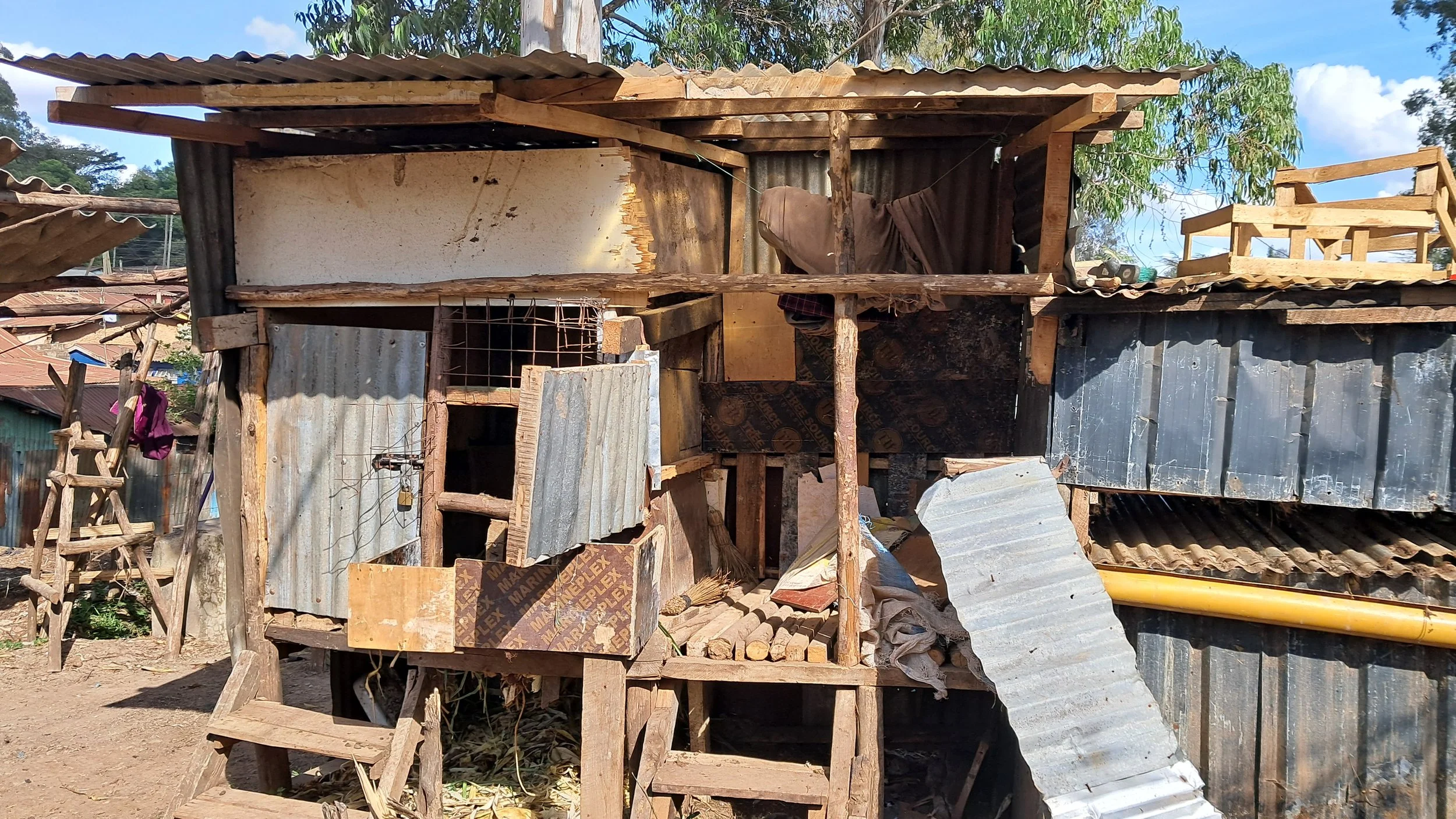
Khalid Munir Mohammed’s farm in Kibera, one of Africa’s largest informal settlements. The photo was taken during one of Shazara’s field visits with Mazingira Institute.